
Balancing the Scales: From Intent to Impact IWD 2026
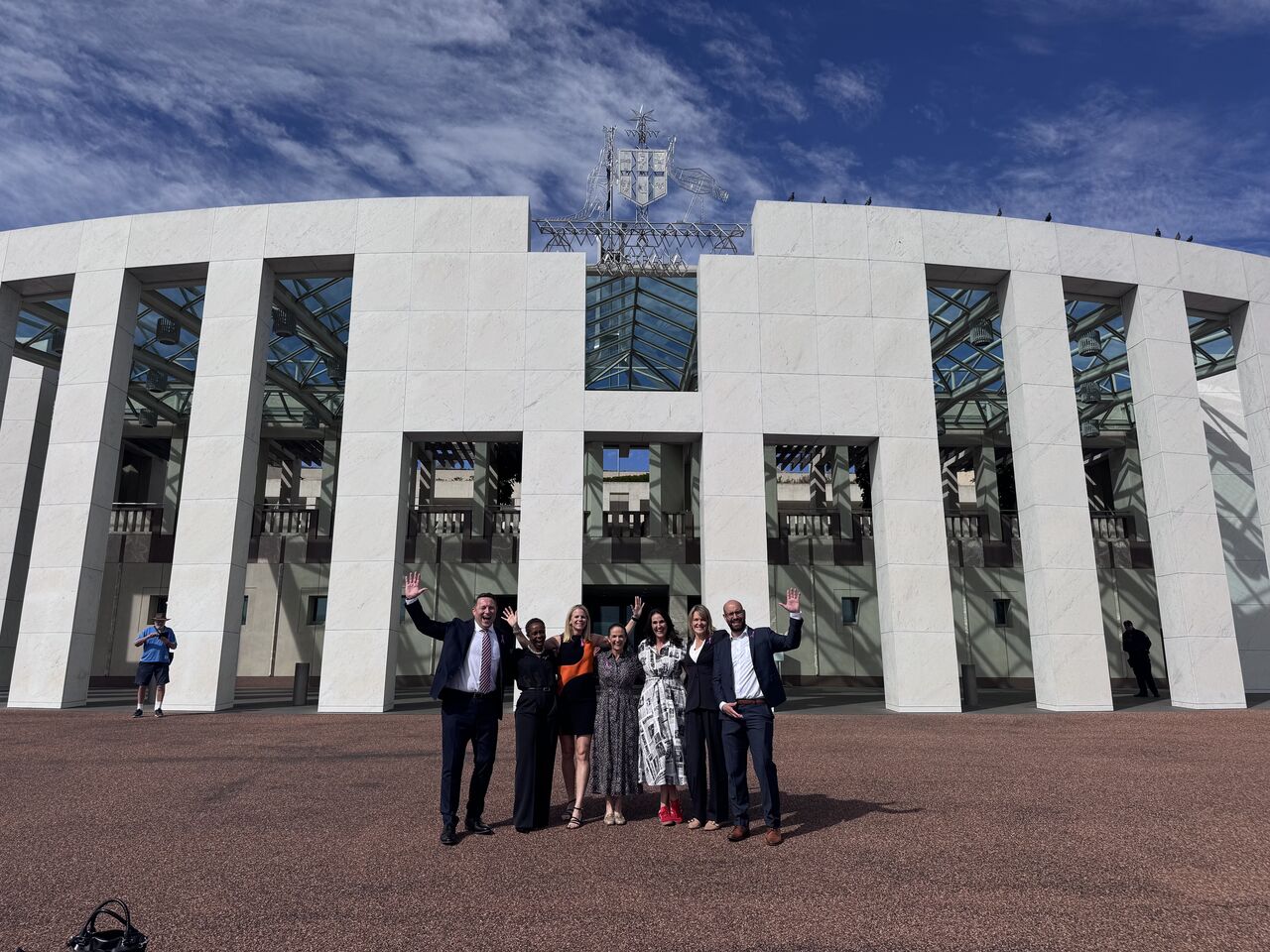
Last week, I attended a parliamentary briefing in Canberra hosted by Abundium and UN Women ahead of International Women’s Day. It was a rare and important moment: bipartisan, pragmatic, and focused not on rhetoric, but on what it actually takes to move the needle on gender equality.
What struck me most wasn’t just the progress being acknowledged, from childcare reform to violence leave, from economic participation to international partnerships, but the quiet urgency underneath it all. Globally, women’s rights are facing real pushback. Equality is not a solved problem. It is a system that requires constant attention, redesign and leadership.
And that’s where my thinking kept returning. Systems matter.
As an accountant by trade and a futurist by instinct, I’ve learned that progress doesn’t happen by accident. It happens when incentives, structures, governance and culture are deliberately designed to produce better outcomes.
Two Types of Women’s Events and Why Both Matter
A conversation with a fellow attendee helped crystallise something I’ve been grappling with for a while. We talked about women’s events and why they sometimes create tension.
There are, broadly speaking, two types.
The first is the safe space. These are women-only environments designed for support, honesty and care. They matter deeply. They allow people to speak freely, share lived experiences, and know they’re not alone. These spaces are not about performance or policy. They are about human connection. Note - the needle will not be moved in these events and we shouldn't fool ourselves about this.
The second is the leadership space. These are the rooms where decisions are shaped, power is shared and systems change. In these rooms, male allies are not just welcome. They are essential. You cannot rebalance the scales if only half the system is present.
The issue isn’t that one type of event exists. The issue arises when we fail to articulate the purpose of each, or when we expect one to do the job of the other. Support spaces nurture people. Leadership spaces change outcomes. After refusing to go to women only events for so long I now accept that both are ok - with a very large caveat on the purpose being made clear.
Designing Boards, Leadership and the Future We Want
This same systems lens applies to governance.
Boards should not be built as a reflection of the past. They should be designed as a blueprint for the future.
When we think about representation, it’s not just about gender. It’s about age, culture, lived experience and neurodiversity, and critically, alignment with the people and communities the organisation serves.
If you’re representing an industry, a workforce or a market, the leadership make up should mirror the reality you want to create. Representation is not symbolism. It is a signal.
The same thinking applies to technology.
Bias Isn’t Always Intentional, But It Is Impactful
One of the most practical insights I heard recently came from a global technology leader describing how their teams review job descriptions, code and systems through a diversity lens.
In one example, a job description had been written based on what success looked like historically, which unsurprisingly reflected a narrow and masculine leadership archetype. The intent wasn’t exclusion, but the outcome was.
The solution wasn’t to dilute standards. It was to reframe them. Focus on outcomes, not personality traits. Recognise that leadership shows up in many forms. Question assumptions.
Today, we even have tools, including AI, that can help surface unconscious bias we didn’t know we had. Bias isn’t just about gender. It can be age, culture, background or experience. Ignoring it doesn’t make it disappear. Designing around it does.
Equality as a Measure of National Character
What stayed with me from the parliamentary briefing was the idea that gender equality is ultimately a test of who we choose to be.
Not just as leaders, but as organisations and as a country.
Balancing the scales requires economic reform, accountability, cultural change and, most importantly, shared responsibility. Educating younger generations. Leaders designing better systems. Institutions being held to account not for what they say, but for what they deliver.
Progress is possible. We’ve seen it.
The future isn’t something that happens to us. It’s something we design, deliberately, inclusively, and with the courage to do better than before.
And that, to me, is what leadership really looks like.
Thank you to the UN Women, Abundium Team and members, Parliament representatives and this community for always inspiring me.
Lisa Andrews
Lisa Andrews
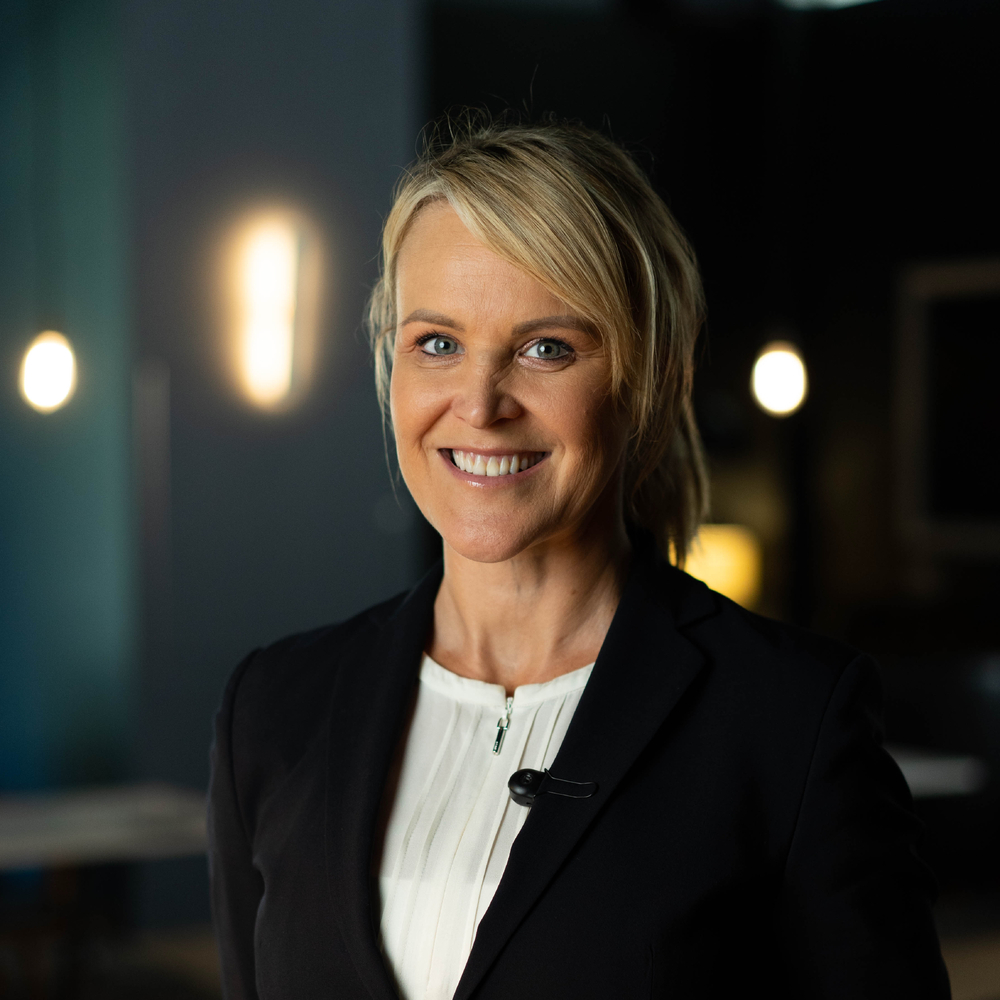
Lisa Andrews is a sought after speaker, thought leader, entrepreneur and impact investor who helps individuals and organisations leverage exponential technologies and a new way of thinking to create new business models and solve the world’s greatest challenges, leaving humanity and the world in a better position for the future.